


Co-Founder

Physical fitness is a state of health and well-being that allows individuals to perform daily activities with vigour, minimise health risks, and maintain optimal bodily function. It encompasses various aspects of health, including cardiovascular health, muscular strength, flexibility, and endurance.
Achieving physical fitness requires a consistent exercise routine, proper exercise techniques, and a commitment to a balanced lifestyle. According to a survey by the Department of Health and Social Care, in 2022-23, 67.1% of adults in England were physically active, while 22.6% were inactive.
The types of physical fitness are cardiovascular endurance, muscular strength, muscular endurance, flexibility, and body composition. These categories address different aspects of health and fitness, such as improving heart function, building muscle, and enhancing mobility. Each type plays a unique role in maintaining a holistic fitness regimen and supports individuals in achieving their specific health goals, from weight management to increased athletic performance.
Physical fitness is built on five key components: cardiovascular endurance, muscular strength, muscular endurance, flexibility, and body composition. These components represent measurable aspects of fitness that collectively define one's health and physical capabilities. Addressing these elements through structured exercise routines and proper techniques helps create a well-rounded fitness plan that promotes overall well-being and reduces the risk of chronic illnesses.
The benefits of regular physical activity and maintaining physical fitness include improved cardiovascular health, enhanced muscular strength, better weight management, reduced stress levels, and a boost in mental health. Regular exercise has been shown to lower the risk of chronic diseases like diabetes and hypertension by 17% and 19%, respectively, according to the World Health Organisation (WHO). Individuals enjoy a healthier, more balanced lifestyle by incorporating fitness into daily routines.
The most popular fitness apps include 8fit, Aaptiv, Apple Fitness+, Blogilates, and FitOn. Each provides a range of services, including personalised fitness plans, guided workouts, and progress tracking. These apps make fitness accessible and enjoyable, offering features that cater to various fitness levels and preferences. With the help of these innovative tools, maintaining an effective exercise routine and tracking progress has become more convenient than ever.
Physical fitness is the overall state of an individual's physical health, achieved through regular exercise and healthy habits. It includes various aspects such as cardiovascular endurance, muscular strength, flexibility, and body composition.
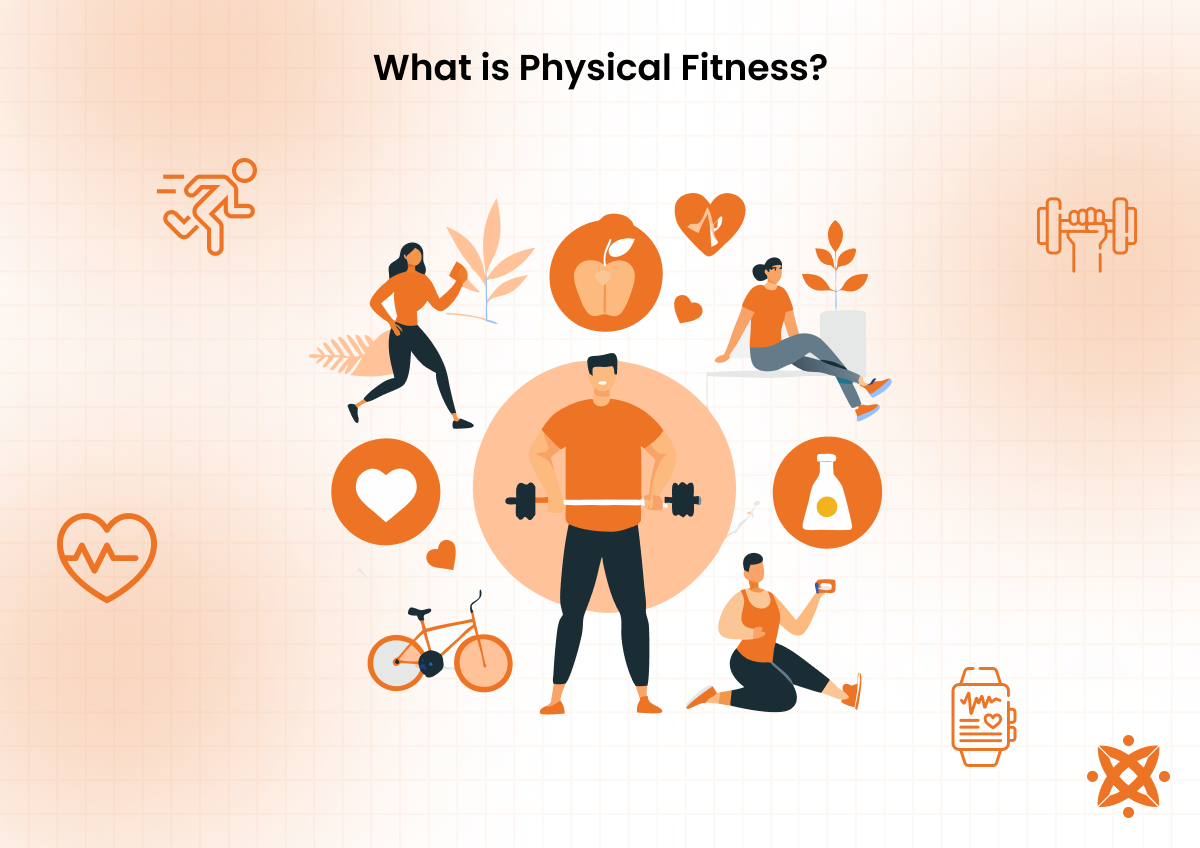
Good physical fitness is characterised by the body's ability to perform daily tasks efficiently without undue fatigue or risk of injury. Exercise is important in improving and sustaining physical fitness by improving the body's strength, stamina, and flexibility, eventually contributing to a healthier, more active lifestyle.
The facts about physical fitness include improved cardiovascular health, enhanced mental well-being, better weight management, and stronger immunity, all of which contribute to overall health and well-being. These facts highlight the importance of exercise, its role in various bodily functions, and the benefits of maintaining good physical fitness.
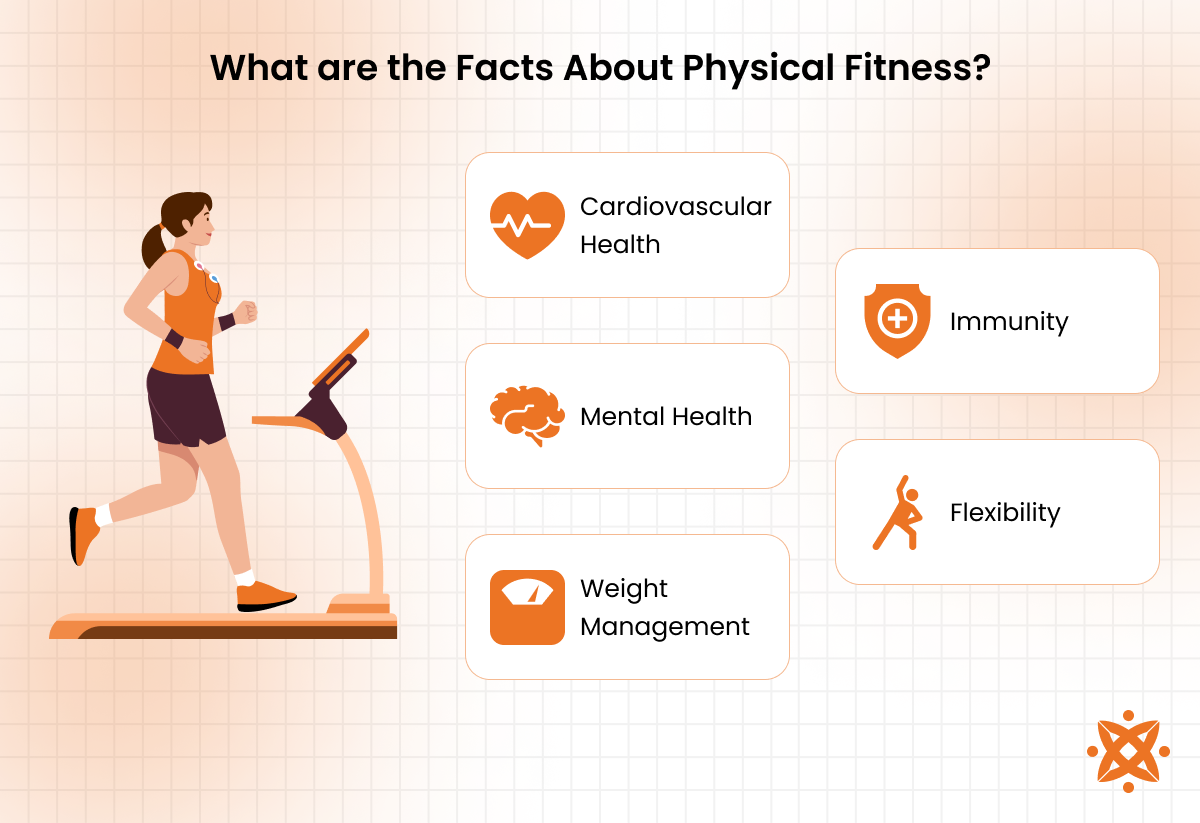
The facts about physical fitness are as follows:
The different types of physical fitness are cardiovascular training, high-intensity interval training (HIIT), strength training, yoga, pilates, callisthenics, powerlifting, cycling, and martial arts. These different types of fitness focus on various aspects of physical health, from endurance to strength to flexibility.
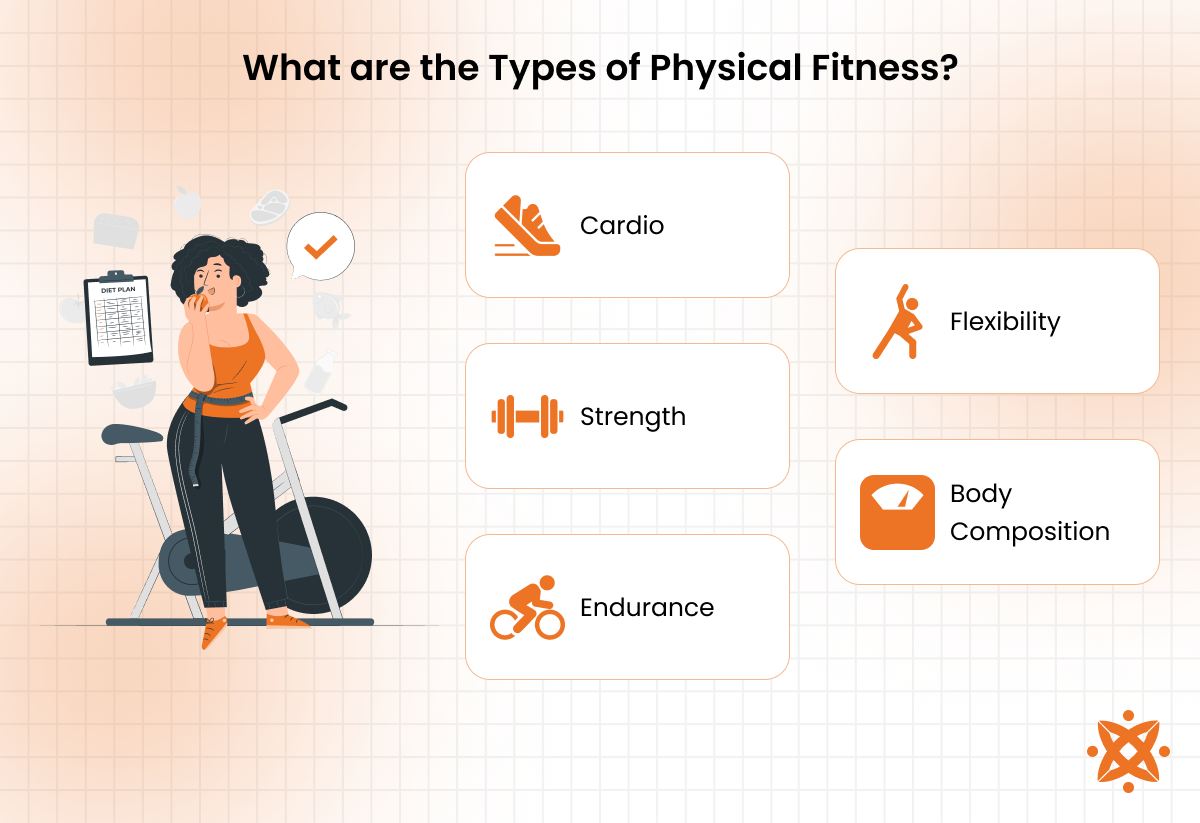
The types of physical fitness are as follows:
Cardiovascular training, also known as aerobic exercise, is designed to improve the heart, lungs, and circulatory system efficiency. Activities like running, swimming, cycling, or walking elevate the heart rate for sustained periods, which boosts oxygen delivery to muscles and organs. This leads to increased endurance and cardiovascular health.
Cardiovascular exercise is performed at moderate intensity for a minimum of 20-30 minutes per session several times a week. It is done to improve overall heart health, increase stamina, and burn fat. It is ideal for anyone looking to reduce the risk of heart disease, stroke, and obesity.
Cardiovascular training is accessible to almost all fitness levels, but those with severe heart conditions or joint issues should consult a medical professional before beginning intensive aerobic activity. Benefits of this physical fitness type include improved heart function, decreased blood pressure, better respiratory efficiency, increased caloric expenditure, and overall enhanced energy levels.
High-Intensity Interval Training (HIIT) alternates short bursts of intense activity with brief periods of rest or low-intensity exercise. HIIT include exercises like sprinting, jumping jacks, or burpees and lasts for 15-30 minutes.
The goal is to push the body to its maximum capacity during high-intensity phases, followed by quick recovery intervals. HIIT is extremely effective for burning fat, improving cardiovascular health, and increasing metabolic rate. It is particularly useful for those with time constraints since it provides significant benefits in a shorter duration compared to traditional cardio exercises.
While HIIT is adapted to fit various fitness levels, individuals with heart conditions, joint issues, or severe obesity should approach it cautiously or consult a healthcare provider before starting.
The benefits of HIIT include fat loss, improved cardiovascular fitness, increased muscle endurance, and higher metabolism even after the workout has ended due to the afterburn effect (excess post-exercise oxygen consumption or EPOC).
Strength training, or resistance training, involves activities that challenge the muscles through weights, bodyweight exercises, or resistance bands. Common examples of resistance training include squats, deadlifts, bench presses, and push-ups. This type of training focuses on building muscle mass, improving strength, and increasing endurance.
Strength training is performed by gradually increasing the weight or resistance to enhance the muscles' ability to lift or push against external forces. The primary goal is to build muscle tissue, improve bone density, and boost metabolic rate.
Resistance training benefits anyone looking to increase muscle size, improve functionality, or prevent muscle loss due to ageing. Those with osteoporosis, arthritis, or heart conditions should take precautions and consider lighter weights with proper technique.
Yoga is a holistic practice combining physical postures (asanas), controlled breathing (pranayama), and meditation. It is performed to improve flexibility, strength, balance, and mental clarity. Yoga is done on a mat, using only the body, or with props like blocks or straps for added support.
There are many styles of yoga, ranging from gentle practices like Hatha yoga to more dynamic forms like Vinyasa or Ashtanga. Yoga is performed in a calm environment, emphasising mindfulness and breath control. It is done to increase flexibility, reduce stress, and enhance mental focus.
Yoga is suitable for all fitness levels and ages, but individuals with severe flexibility limitations or joint injuries should choose restorative or gentle forms of yoga. Benefits of yoga include improved posture, reduced anxiety, better balance and coordination, increased joint mobility, and enhanced mental calmness and clarity.
Pilates is a low-impact exercise system focused on strengthening the core, improving flexibility, and promoting body alignment. It involves controlled movements and breathing techniques aimed at enhancing posture and balance.
Pilates exercises are performed on a mat or using specialised equipment like a reformer. They improve core stability, increase muscle endurance, and prevent injury. Pilates is ideal for individuals of all fitness levels, especially those recovering from injury or chronic pain, as it emphasises controlled and precise movements.
Pilates improves posture, reduces back pain, increases abdominal strength, and enhances overall flexibility. However, those with severe orthopaedic issues should seek professional guidance before starting Pilates.
Callisthenics refers to bodyweight exercises such as push-ups, pull-ups, squats, lunges, and dips, performed without external equipment. These exercises are designed to build strength, flexibility, and endurance by using the body's own weight as resistance.
Callisthenics is a highly versatile workout method that focuses on form and controlled movement. It requires minimal equipment and is done in sets and repetitions, making it accessible for home workouts or outdoor training. Calisthenics improves functional strength, body control, and overall fitness.
While individuals of all fitness levels perform callisthenics, beginners should start with modified exercises until they build strength. The benefits of callisthenics include improved muscle endurance, better coordination, enhanced flexibility, and increased strength without the need for expensive gym equipment.
Powerlifting is a strength training discipline focused on maximal strength in three major lifts: the squat, deadlift, and bench press. The primary goal of powerlifting is to increase the maximum weight an individual lifts in these movements. Powerlifters follow a structured program that emphasises progressive overload, meaning they gradually increase the weight lifted over time.
Individuals looking to maximise strength and muscle mass prefer powerlifting over other forms of physical fitness. Powerlifting is not recommended for beginners without prior strength training experience, as lifting maximum weights is risky without proper technique.
Powerlifting helps increase muscle mass, strength, and bone density, as well as develop functional power for other sports or activities.
Cycling, whether on a stationary bike or outdoors, is a cardiovascular exercise that strengthens the heart, tones leg muscles and improves endurance. Cycling is performed for extended periods at moderate intensity, either in structured sessions or as part of a recreational activity.
This type of physical exercise is beneficial for improving cardiovascular health, building leg strength, and enhancing stamina. Cycling is a low-impact exercise, making it accessible for people of various fitness levels, especially those with joint issues or injuries. Individuals with severe knee or hip problems should consult a healthcare provider before starting regular cycling.
Cycling is recommended for patients with a risk of heart disease and type 2 diabetes as it improves cardiovascular function and helps with weight management. Cycling also increases leg muscle strength and enhances endurance.
Martial arts encompass a wide range of combat disciplines, including karate, taekwondo, judo, Brazilian jiu-jitsu, and boxing. These practices combine physical conditioning with self-defence techniques, focusing on strength, agility, flexibility, and mental discipline.
Martial arts training includes intense drills, sparring, and kata (forms), which are performed to improve coordination, reflexes, and mental focus. It is practised by individuals looking for physical and mental challenges, providing a full-body workout.
For anyone wanting to develop discipline, self-defence skills, and improve endurance, martial arts is the best physical fitness. However, martial arts is not suitable for individuals with certain physical limitations or those who are not comfortable with physical contact, depending on the discipline.
The key components of physical fitness include cardiovascular endurance, muscular strength, muscular endurance, flexibility, and body composition. These components work together to improve overall physical health and develop a balanced and functional body.
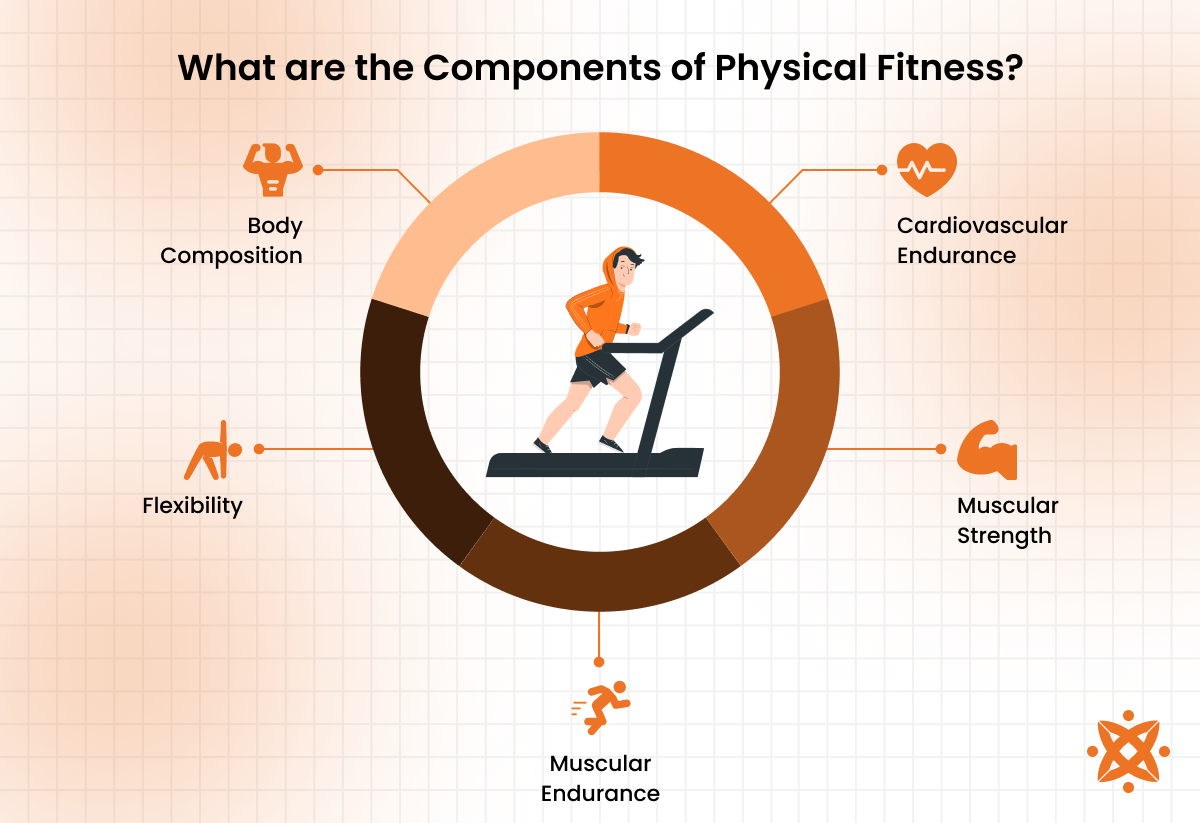
The key components of physical fitness are as follows:
The main benefits of physical fitness are improved cardiovascular health, enhanced mental well-being, better weight management, increased strength and endurance, and a reduced risk of chronic diseases. These benefits contribute to overall health and longevity, improving both physical and mental quality of life.
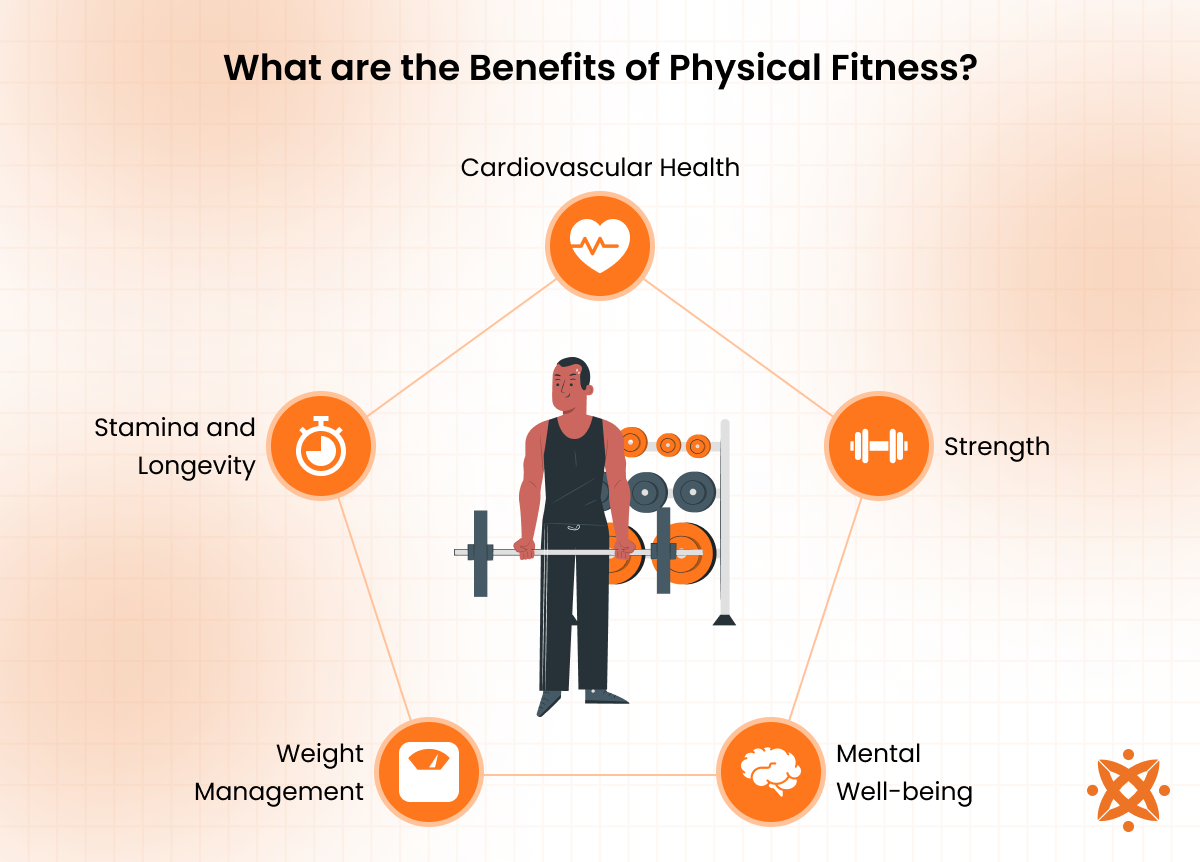
The main benefits of physical fitness are as follows:
The main challenges of physical fitness are maintaining consistency, overcoming lack of motivation, finding time, dealing with physical limitations, and managing unrealistic expectations. These challenges hinder individuals from achieving their fitness goals and require strategies to address them effectively.
The challenges of physical fitness are as follows:
The common physical fitness apps include 8fit, Aaptiv, Apple Fitness+, Blogilates, FitOn, MyFitnessPal, Nike Training Club, and Strava. These apps offer diverse features, from guided workouts and progress tracking to personalised fitness plans, catering to users with varying fitness goals and levels of expertise. These fitness apps make wellness accessible and convenient, allowing users to stay active anytime, anywhere.
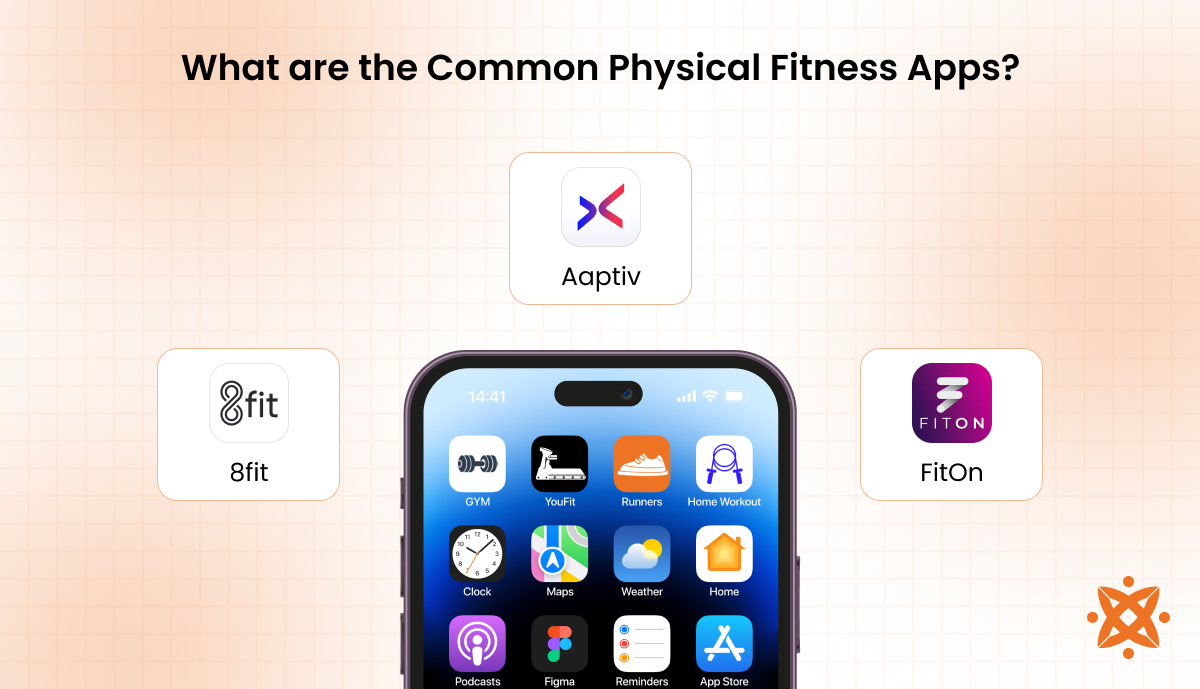
The common physical fitness apps are as follows:
The features of a fitness app are workout tracking, personalised fitness plans, nutritional guidance, progress monitoring, integration with wearable devices, community engagement, and virtual coaching. These features enhance user experience, making fitness accessible, enjoyable, and customised to individual needs.
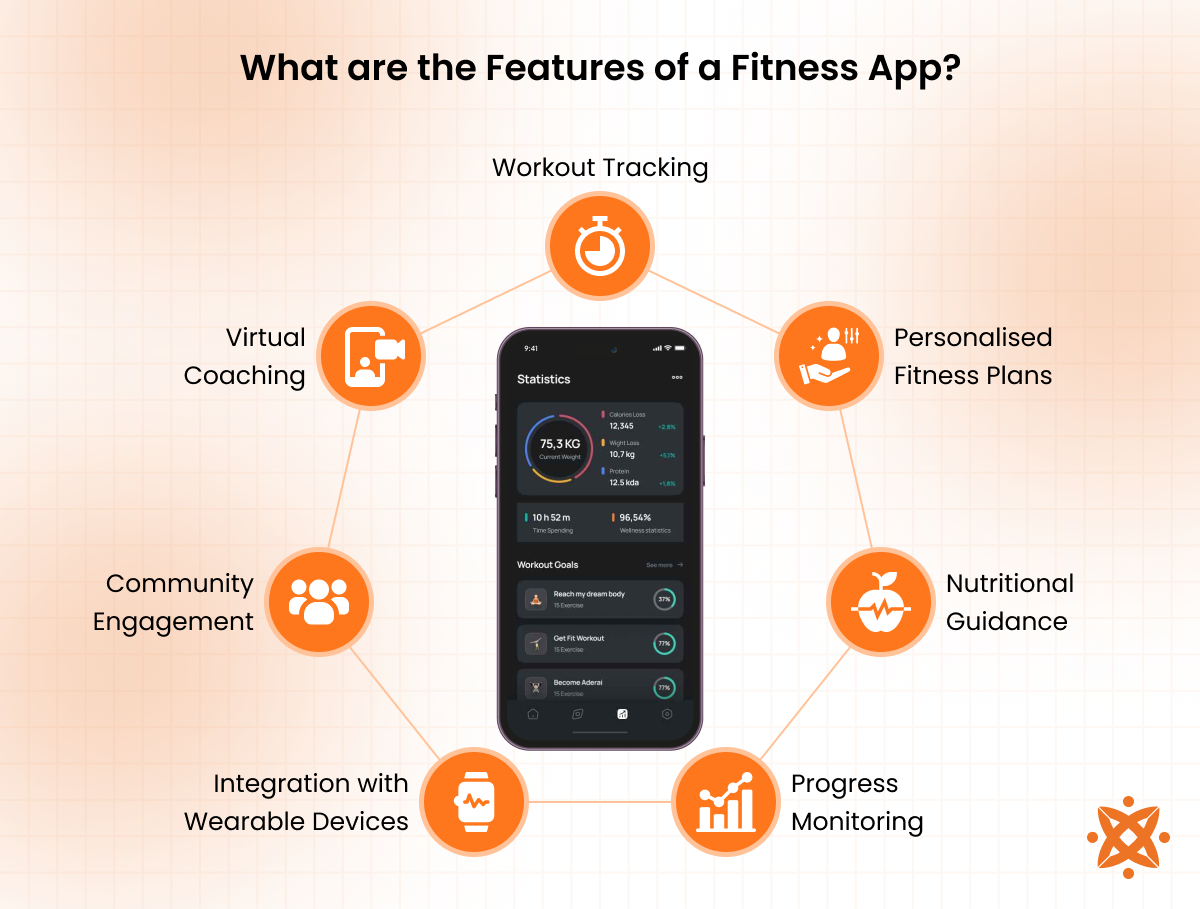
The features of a fitness app are as follows:
The main difference between physical fitness and mental fitness is their focus. Physical fitness pertains to the health and performance of the body, while mental fitness involves the cognitive and emotional well-being of the mind.
Physical fitness is achieved through activities like exercise, which improves cardiovascular health, strength, and endurance. In contrast, mental wellness is cultivated through practices such as meditation, mindfulness, and stress management techniques, which improve focus, resilience, and emotional regulation.
Both forms of fitness are interconnected, as regular physical activity boosts mental health by releasing endorphins and reducing stress. Similarly, a mentally fit individual is more likely to maintain physical health by staying motivated and consistent in their fitness routines.
The main difference between physical fitness and physical activity is that physical activity refers to any bodily movement produced by muscles that require energy expenditure, while physical fitness is a measurable state of health and capability achieved through regular physical activity. Physical activity includes walking, gardening, or playing sports, while attributes like strength, endurance, flexibility, and cardiovascular health characterise physical fitness.
Physical fitness is a goal or outcome of consistent physical activity. For instance, regular running (a physical activity) improves cardiovascular endurance (a component of physical fitness). While physical activity encompasses all forms of movement, physical fitness reflects the effectiveness and efficiency of how well the body performs these movements.
The main difference between physical fitness and biological fitness is their context. Physical fitness refers to an individual's ability to perform physical tasks efficiently, while biological fitness pertains to an organism's ability to survive and reproduce in its environment.
Although the terms share the word "fitness," their meanings and applications differ significantly. Physical fitness is associated with health and exercise, involving components like strength, endurance, and flexibility. In contrast, biological fitness is a concept in evolutionary biology that measures the success of an organism in passing its genes to the next generation.
For example, a person who exercises regularly exhibits physical fitness, while an organism that adapts effectively to its environment and reproduces successfully demonstrates biological fitness.
Sign up now and get notified when we publish a new article!
Co-Founder
Oliver Baker is a co-founder of Intelivita, a leading Web and Mobile App Development Company based in Leeds, UK. Oliver has been at the forefront of the business, expanding it globally and into new technologies including iOS and Android, AR, VR and Mobile Game applications. Oliver excels in Project Management, Leadership, Quality Assurance and Problem Solving and has qualifications with Prince2 and APM. He aims to develop his skills further through a shared interest with other leaders in the Software Markets and the Clients of Intelivita.
